"Aquaterra": Archaeologists explore submerged lands hiding traces of ancient civilizations
Researchers are studying submerged coastal areas, comparable in size to North America, that may contain artifacts of ancient human societies.
 🎭Culture & Sport
Photo: UNIAN
Key points
- Geographer Jerome Dobson identified 22.5 million sq. km of submerged lands.
- Archaeologists are finding settlement traces on the seabed using modern technology.
- Sea level changes during ice ages significantly influenced human development.
Over the past 120,000 years, the Earth's coastlines have changed significantly due to fluctuations in sea levels. In 1999, geographer Jerome Dobson introduced the term "Aquaterra" to describe coastal regions totaling approximately 22.5 million square kilometers that were submerged following the melting of glaciers.
Secrets of the seabed
During ice ages, sea levels were much lower, providing access to vast plains suitable for human habitation. Scientists believe that many key stages of human progress and technological innovation occurred in these regions. Today, archaeologists are employing modern mapping and soil analysis techniques to locate traces of these settlements on the ocean floor.
Practical research is already yielding results. In the Gulf of Mexico and off the coast of Belize, researchers have discovered remains of ancient camps, stone tools, and structures dating back as far as 12,000 years. These efforts are complicated by coastal erosion, which continues to destroy even relatively recent historical sites, such as 16th-century colonial settlements in the United States.
Source UNIAN — unian.ua/science/pid-vodu-pishla-susha-rozmirom-iz-pivnichnu-amerik… ↗
Read next
 🏙️City
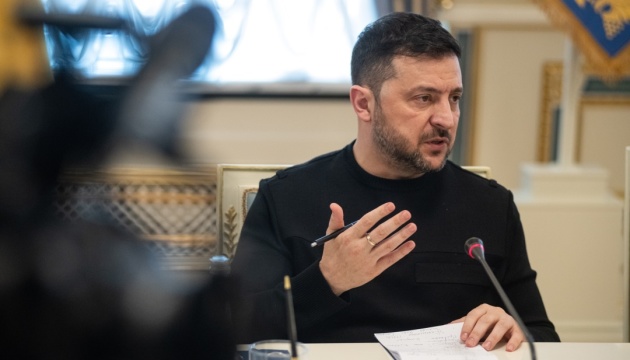
Russian attacks on energy infrastructure: situation in the regions
President Volodymyr Zelensky announced attempts by the enemy to cut off the Odesa and Dnipropetrovsk regions from power sources through targeted strikes.
 🏛️Politics
Jared Kushner Outlines Trump's Conditions for Security Guarantees for Ukraine
Jared Kushner, special envoy for Donald Trump, stated that the US could provide Ukraine with security guarantees similar to NATO's Article 5 under specific conditions.
 👥Society
Why you shouldn't remove bones from canned sardines: expert advice
Experts explain that removing soft bones from canned sardines deprives the body of a significant amount of calcium.
 🇺🇦Ukraine
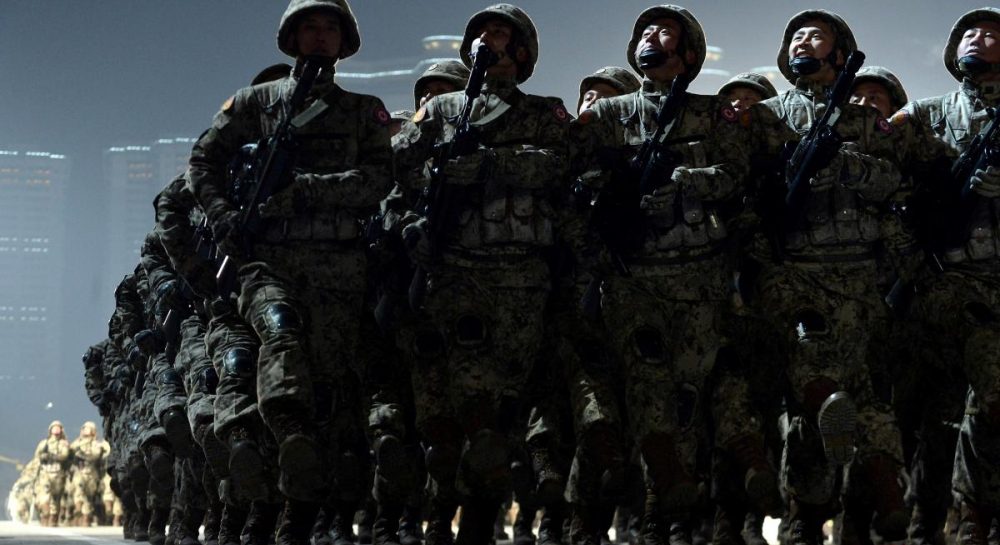
The Rise of an Authoritarian Alliance: How Cooperation Between Russia, China, Iran, and North Korea Reshapes Global Security
The Economist reports on the deepening coordination between four authoritarian regimes, posing significant challenges to Western stability.
 💡Tech
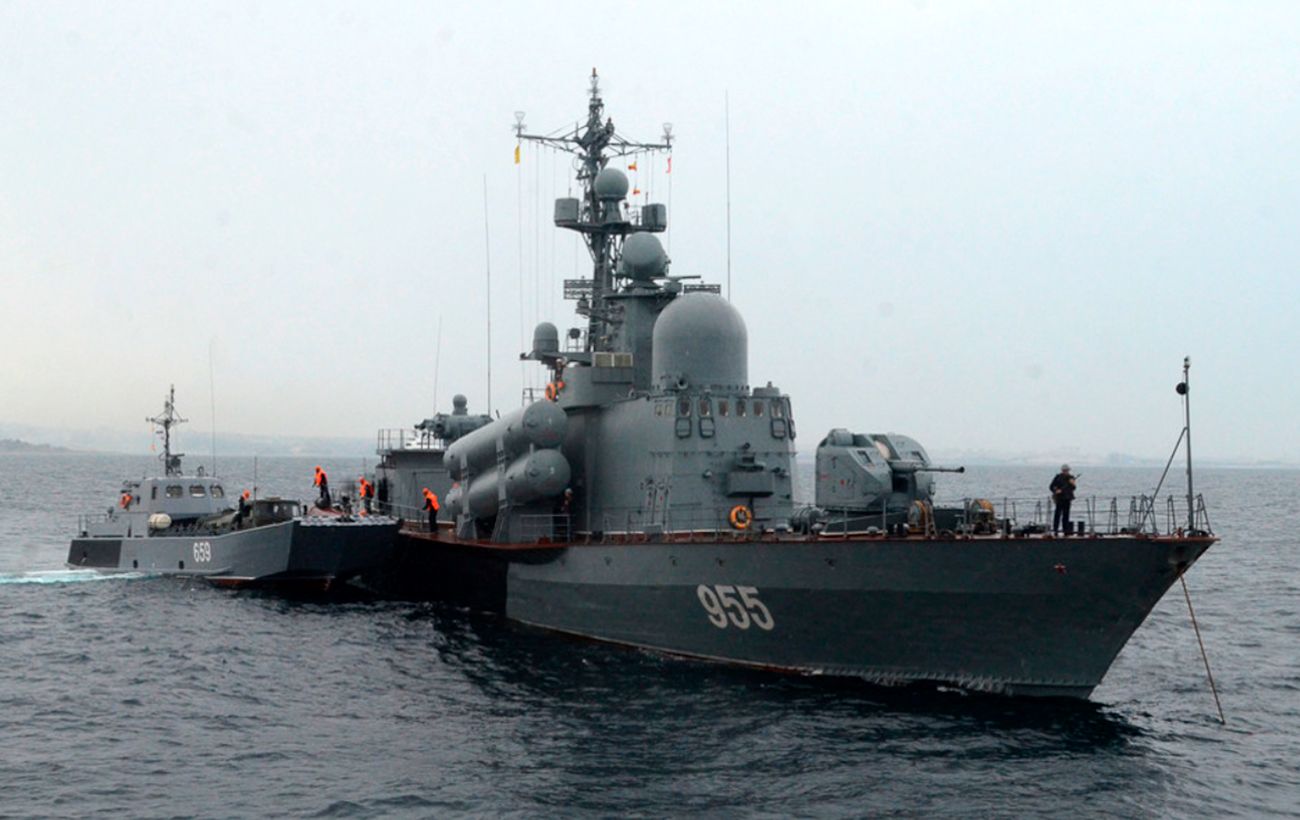
Russian corvette 'Mercury' hit by drone attack in Libya
A Russian military vessel was severely damaged following a sea drone strike at a naval base in Benghazi. Preliminary reports suggest potential involvement of Ukrainian mi…
 🇺🇦Ukraine
Trump's Peace Initiatives and the European Stance: Developments After the China Summit
The US administration aims to resolve the conflict in Ukraine by January 2027, but European leaders are pushing back against any new division of spheres of influence.